Tirana Times, July 21, 2026 – Relations between Albania and Canada have expanded steadily in recent years, from growing trade and new bilateral agreements to closer cooperation within NATO and the launch of the first direct flight between the two countries. In an interview with Tirana Times, Canada’s Ambassador to Albania, Elissa Golberg, discusses the future of bilateral relations, Albania’s EU path, security cooperation, the role of the Albanian diaspora, and opportunities for stronger economic and academic ties.
Tirana Times: How would you asses the current state of bilateral relations between Albania and Canada?
Elissa Golberg: The relationship between our two countries is positive and dynamic, with collaboration across a range of files that matter to both of us domestically but also within the context of multilateral organizations like the United Nations. Albania is a valued NATO ally and contributes valued capabilities to the Canadian-led NATO Multinational Brigade in Latvia.
In the past three years, new arrangements have come into force including a Social Security Agreement and an Air Transport Agreement, and there is alignment on the desire to pursue negotiation of Free Trade and Double Taxation Agreements. Over the past decade, bilateral trade in merchandise has more than quadrupled, growing from under 25 million Canadian dollars (CAD) in 2016, to over 110 million CAD or 6.4 billion Albanian Lek last year. Canadians also increasingly see Albania as a travel destination, exemplified by the recent launch of the first direct Canada to Albania flight (also the first transatlantic flight from North America). This will also enable continued ties with the vibrant Albanian community in Canada, where more than 40,000 Canadians have Albanian descent.
There is of course always more we could do together: public sector governance, energy and natural resource management, transport infrastructure, and trade are all ripe for increased bilateral cooperation and a focus of our embassy efforts.
On a personal note, I have certainly appreciated the close collaboration I have had with Albanian Ministers and officials, and members of civil society with whom I been privileged to interact. During my travels, I have been struck by the dynamism I see in Albanian communities, the warmth and generosity of the Albanian people towards Canada and have relished the richness of its culture and food.
Tirana Times: Canada has been supporting democracy and development in Albania and in the region including through its Canada Fund for Local Initiatives. What are some of the major milestones of the program and how have the priorities changed throughout time?
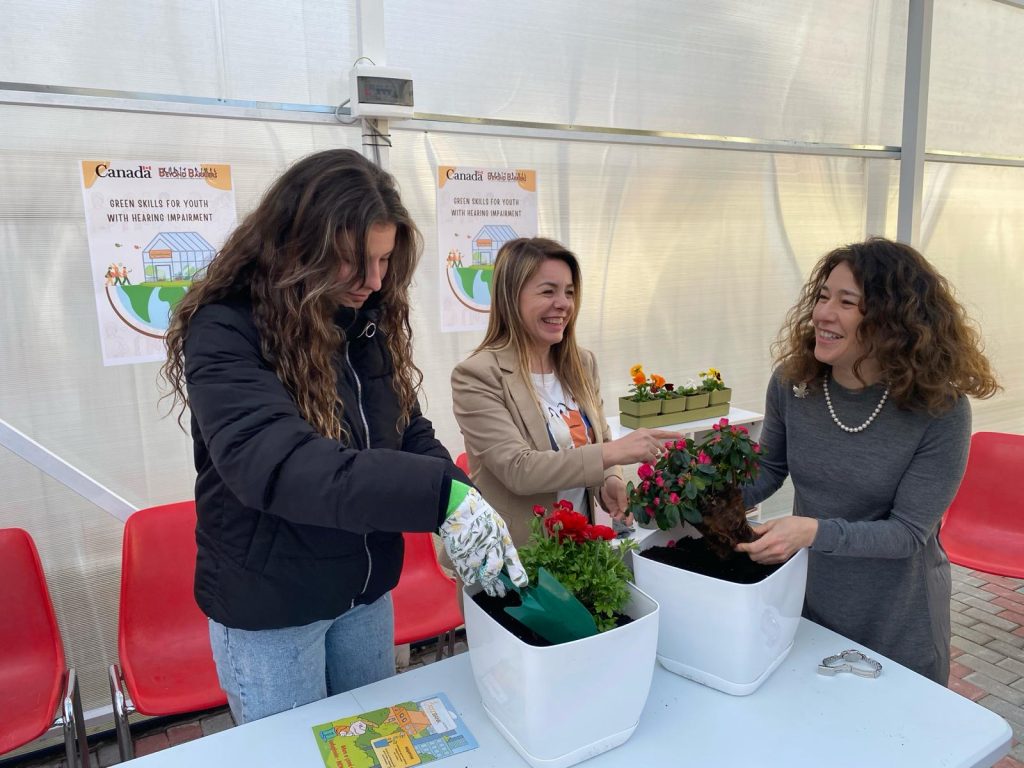
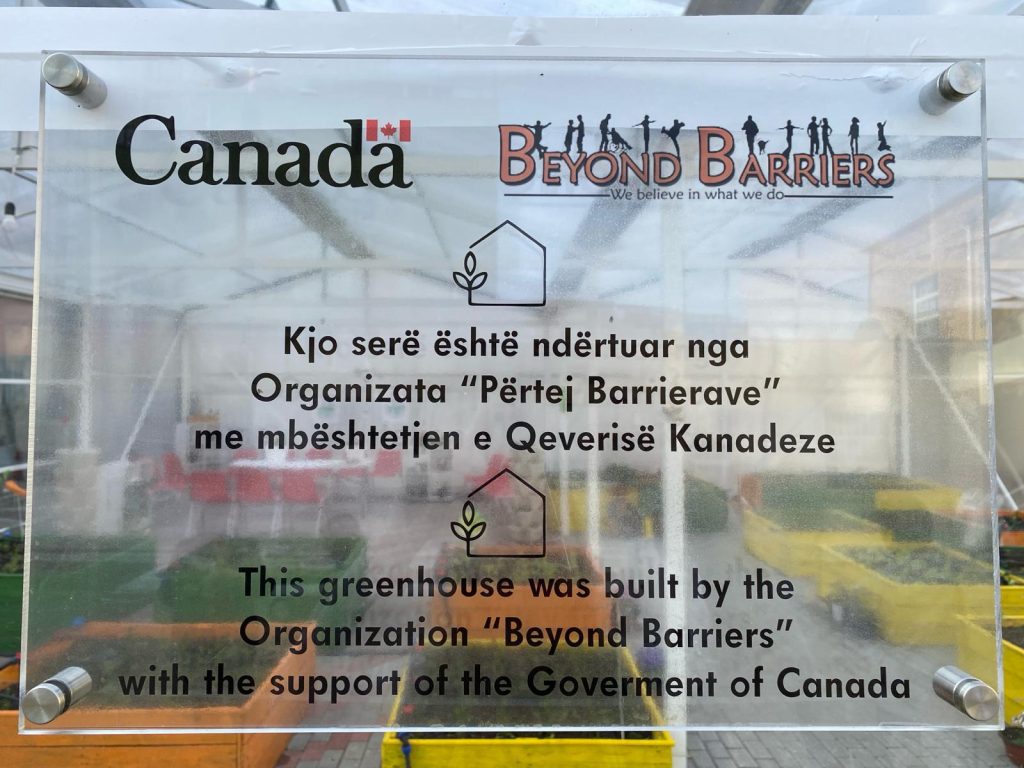
Elissa Golberg: The Canada Fund for Local Initiatives often delivers outsized results considering it is a relatively modest size. We credit this to the fact that the program focuses on local organizations who are attuned to their communities’ needs and therefore know how best to efficiently drive meaningful change. In recent years, we have celebrated several milestones and accomplishments with the CFLI program in Albania: for example, in 2024, with partner organization Beyond Barriers, a brand-new greenhouse was opened at the Institute of Deaf Students to teach students vocational and employment skills. And in 2026, we funded a project in Bulqizë – an area we had not previously worked, and which does not receive much development funding – to improve economic opportunities for women in the herb and traditional plants supply chain.
While the overall priorities of CFLI have remained targeted on governance, inclusive sustainable economic growth and human rights, we are conscious of the rapid changes that Albania is experiencing and we try to fund projects that meet the current needs of local Albanians with an eye to the future.
Tirana Times: How will the relation between Canada and Albania change and develop in the context of European Union integration and eventual accession?
Elissa Golberg: Canada firmly supports Albania’s focus on EU accession process and believes the reforms it is pursuing to support this are of significant benefit to all Albanians. We expect that our already strong multilateral and bilateral cooperation will be even further enhanced after Albania is a full EU member, reflecting our shared trans-Atlantic values.
Tirana Times: The size of Albanian diaspora in Canada is considerable. How do you view their role in the bilateral relations? Do you see the Albanian diaspora being more politically engaged in Canada?
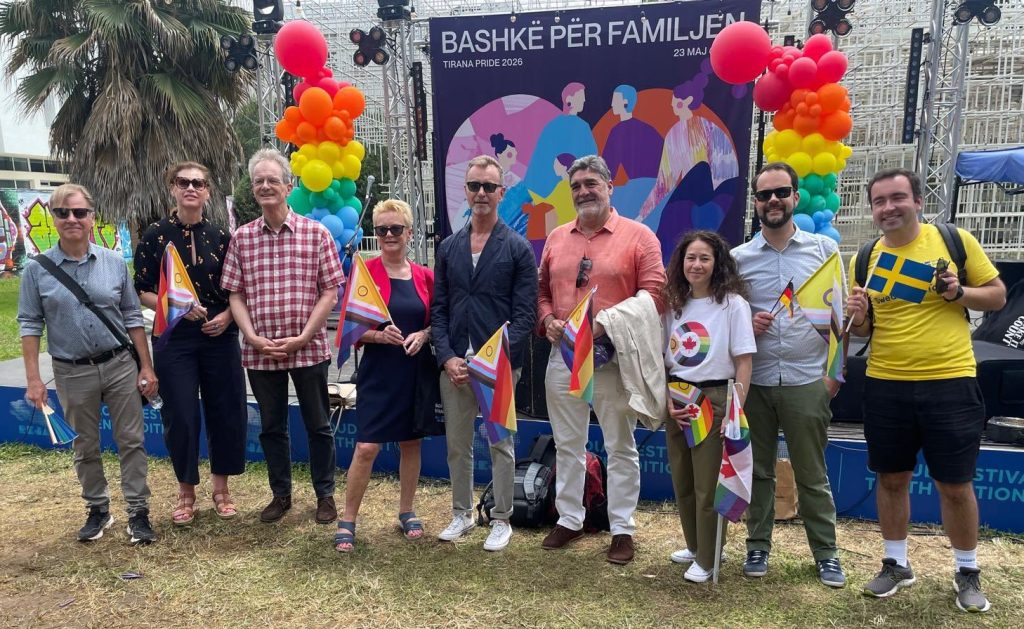
Elissa Golberg: As with many other cultural communities in Canada – remember 1 out of every 4 Canadians comes from elsewhere in the world – Canadians of Albanian descent positively contribute to the mosaic of our country. They value Canada’s democratic landscape and opportunities for civic engagement even as they treasure their Albanian heritage and foster two-way ties, including commercial.
Tirana Times: Canada and Albania are close allies within NATO and share a commitment to Euro-Atlantic security. In today’s evolving geopolitical environment, how do you see defense and security cooperation between our two countries developing, particularly in areas such as cybersecurity, countering foreign interference, and support for regional stability?
Elissa Golberg: The Canada and Albania defence partnership reflects shared interests in NATO cooperation, capacity building, and regional security. An example of this constructive operational and strategic alignment is the deployment of Albanian troops alongside Canadian forces in the Canada-led Multinational Brigade Latvia and Albania’s decision to join the Defence, Security and Resiliency Bank which Canada has spearheaded. Such collaboration offers a natural platform for expanding engagement including cybersecurity, countering foreign interference and disinformation, and promoting stability in the Western Balkans. These ties continue to grow, as was evident at the recent NATO Summit in Ankara where Ministers Anand and Hoxha had a productive bilateral meeting. Together, Canada and Albania contribute to a stronger, more resilient Euro-Atlantic security community.
Tirana Times: Bilateral trade and investment between Canada and Albania remain relatively modest. What opportunities do you see for expanding economic cooperation, and which sectors do you believe offer the greatest potential for Canadian businesses and investors in Albania?
Elissa Golberg: As I noted, our economic cooperation has been steadily expanding, quadrupling in the last decade. The reforms that Albania has been pursuing to reinforce its justice system and public service also support making it a more attractive destination for investment. There are several Canadian information technology (IT) companies currently exploring business opportunities with Albanian partners in areas such as intelligent transportation systems, Geographic Information Systems, and cybersecurity. Such partnerships allow Canadian and Albanian businesses to pursue opportunities together and benefit from each other’s expertise and market knowledge. Natural resource management and energy are other potential areas of focus.
The launch of the first transatlantic flight from Albania to Canada is a welcome opportunity to expand these growing ties. The new direct flight operating between Tirana and Toronto allows for more trade and collaboration in key sectors that I believe we could have stronger ties, such as agriculture and seafood for example. Our hope is that Canadian and Albanian companies will take advantage of this new opportunity.
Tirana Times: Educational, academic, and research cooperation often lays the foundation for long-term partnerships between countries. What opportunities do you see for strengthening exchanges between Canadian and Albanian universities, researchers, and think tanks?
Elissa Golberg: Canada sees potential to expand academic cooperation, through structured academic partnerships such as joint research, faculty and student exchanges, and collaboration in areas such as digital innovation, cybersecurity, countering disinformation, climate resilience, public policy, and sustainable economic development. Canada offers a range of international research and academic cooperation programs that can help connect Canadian and Albanian institutions and support future collaborative projects.
Tirana Times: Many would argue that it is due time to open an embassy of Canada in Tirana, would you agree?
Elissa Golberg: Canada is pleased to maintain strong and continuous engagement with Albania including through frequent visits at all diplomatic levels and across all Government of Canada programs present in the region. Canada also has an honorary consul team based in Tirana that assists us in offering front line consular services to Canadians. Canada regularly assesses its diplomatic footprint with an eye to preserve and enhance its relations while seeking to make sure it is most efficiently deploying fixed resources. The current absence of a physical embassy is not an impediment to our continued deepening of the relationship that exists between our two countries, and the potential to continue to grow these strong ties for the benefit of our citizens.
____________________________
Elissa Golberg is Canada’s Ambassador to Italy, Albania, Malta and San Marino, as well as Permanent Representative to the UN Agencies in Rome. She has held senior positions in the Canadian government and diplomatic service, including Assistant Deputy Minister for Strategic Policy at Global Affairs Canada and Ambassador to the United Nations in Geneva. She also serves on the Board of the Centre for International Governance Innovation and has published widely on humanitarian, fragile state and public policy issues.
The post Beyond Diplomacy: Ambassador Elissa Golberg on the Future of Canada–Albania Ties appeared first on Tirana Times.